Government of India
 More
More

Our Blogs

Latest Publications
When the Progress Card Reads the Classroom: AI in the Preparatory Stage
Parakh NCERT
- By Indrani Bhaduri
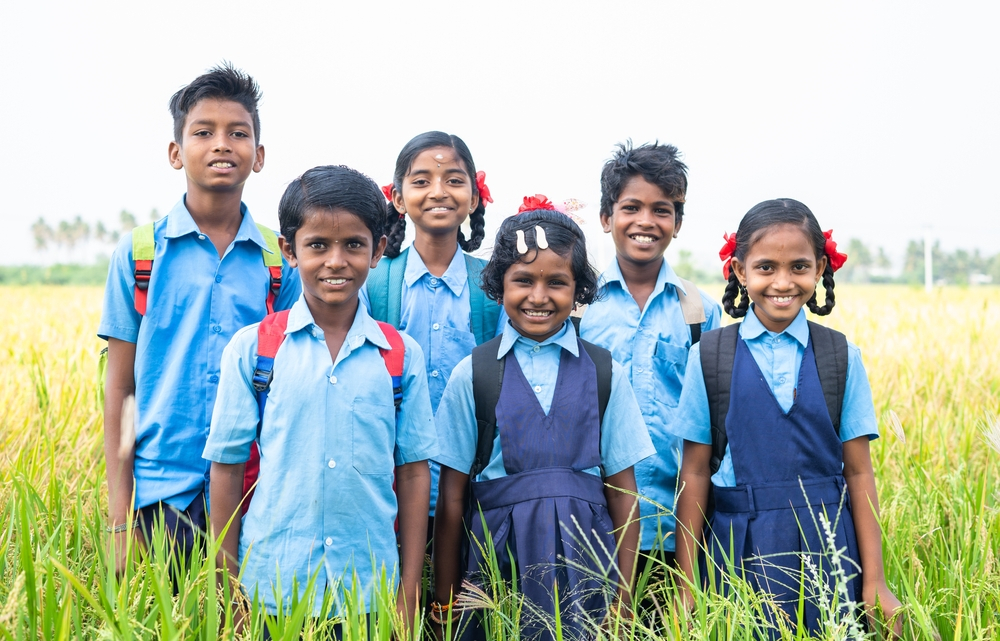
The Preparatory Stage Holistic Progress Card captures a learner’s overall progress. It uses classroom observations, work samples and rubrics. It also includes self-assessment, peer feedback and caregiver observations. Managing this evidence can increase the teacher’s workload.AI can organise evidence from different sources. It can transcribe observations and track progress over time. It can connect activities with competencies. It can also identify missing evidence and learning needs. AI can support activity planning and rubric development. It can help teachers prepare clear feedback. It can also draft subject-wise and overall summaries. This blog explores how AI can make the HPC process more efficient. It can reduce repetitive documentation. It can also make assessment more connected and evidence-based. AI can thus make the HPC a practical tool for improving learning at the Preparatory Stage.
Can AI Make the Holistic Progress Card More Holistic? Innovative Uses of Artificial Intelligence at the Foundational Stage
Parakh NCERT
- By Indrani Bhaduri
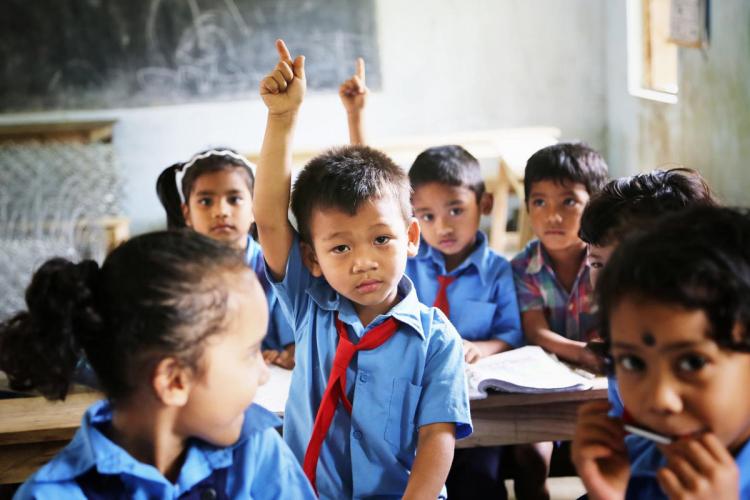
This discussion examines how Artificial Intelligence can strengthen the Holistic Progress Card at the Foundational Stage. It can help teachers organise, interpret and use evidence gathered through classroom activities. The HPC brings together information about children’s backgrounds, interests, attendance and participation. It also records developmental progress, self-assessment, peer assessment and family observations. However, these insights often remain scattered across notes, worksheets, conversations and teacher memory. Digital tools can group similar observations and trace progress over time. They can also highlight areas that require further attention. Teachers can use these insights to plan suitable classroom support. Such support can be used across different sections of the HPC. It can help create short learner profiles, suggest inclusive activities and connect curricular goals with observable evidence. Teacher voice notes can also be organized into meaningful records. The system can support physical, socio-emotional, cognitive, language, literacy, aesthetic and cultural development. It can identify patterns in children’s responses and suggest suitable follow-up activities. It may also help prepare visual schedules, choice boards, feedback statements and developmental summaries. Child-friendly self-assessment formats and family communication can also be supported. When used responsibly, this support can make the HPC more useful. It can help transform it from a record of learning into a tool for responsive, inclusive and meaningful teaching.
Can a Report Card Capture Curiosity? Inquiry-Based Assessment through Holistic Progress Card
Parakh NCERT
- By Indrani Bhaduri
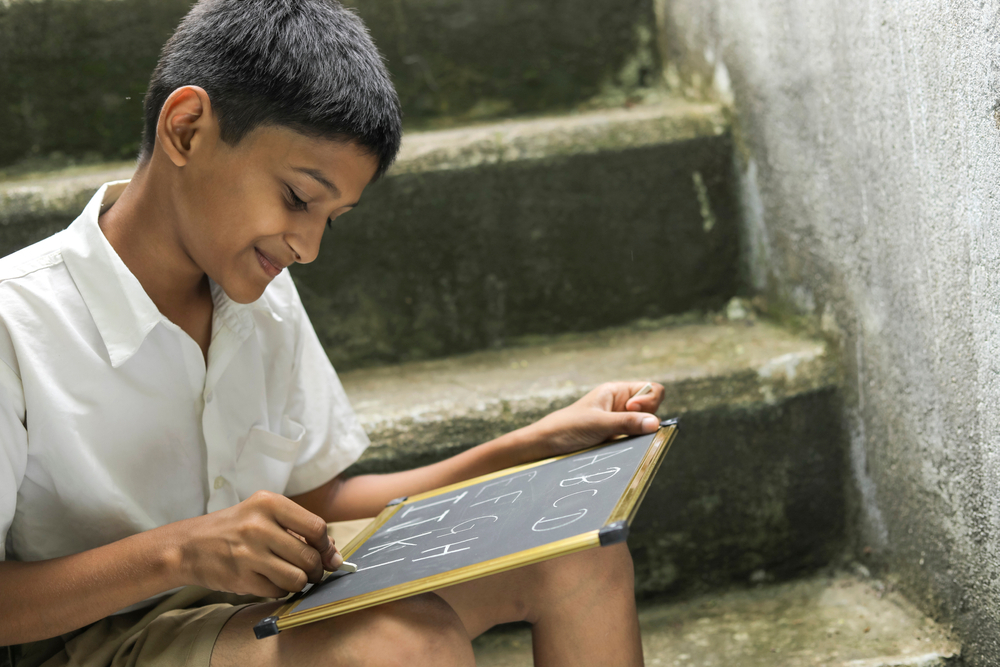
This blog examines how the stage-wise Holistic Progress Cards developed by PARAKH support inquiry-based learning. It explains that the value of the Holistic Progress Card does not depend on how much information it records. Its value lies in the kind of learning it recognises. This includes observation, questioning, investigation, collaboration, creativity and reflection.The blog traces the growth of inquiry across the Foundational, Preparatory, Middle and Secondary Stages. At the Foundational Stage, inquiry is encouraged through activities and observation. It also includes self-assessment and qualitative feedback.At the Preparatory Stage, inquiry becomes more structured. Learners take part in subject-based activities. These activities are linked with competencies and learning outcomes. Teachers also record the challenges faced by learners. They note how learners overcome these challenges.At the Middle Stage, the HPC gives more importance to real-life application. It also values curiosity and alternative thinking. Peer feedback and interdisciplinary activities are included. Learners are also encouraged to reflect on their own learning.At the Secondary Stage, inquiry becomes formal and detailed. Learners undertake group projects and individual problem-based inquiries. They collect evidence and analyse data. They review their findings and revise their work.Across all stages, Awareness, Sensitivity and Creativity provide a common assessment framework. These dimensions help teachers assess thinking skills. They also help assess social understanding.The blog concludes that the HPC creates meaningful space for inquiry-based assessment. However, its success depends on classroom practice. Simply completing its sections will not transform learning. Schools must value questioning, evidence, reflection and revision. They must also value the process through which learners arrive at an answer.
Holistic Progress Card: Capturing Socio-Emotional Learning
Parakh NCERT
- By Indrani Bhaduri
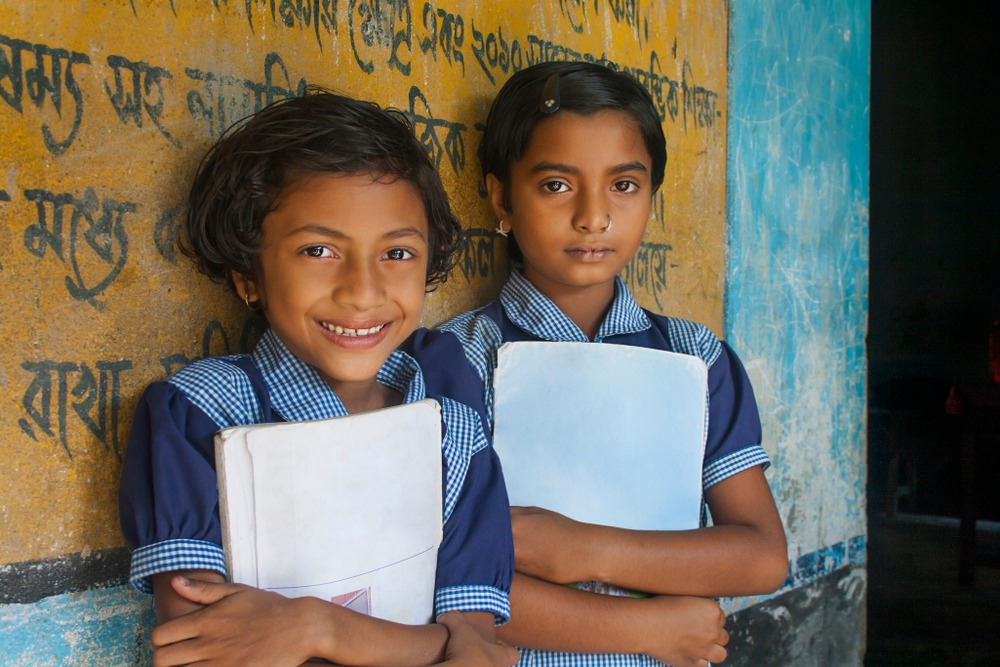
Socio-Emotional Learning in the larger purpose of the Holistic Progress Card. It explains how assessment in India is moving beyond marks and academic scores. The Holistic Progress Card, envisioned in NEP 2020 and supported by PARAKH, helps schools understand the learner as a whole person. It records not only academic progress but also confidence, empathy, self-reflection, collaboration, creativity, values and responsibility. The article highlights how SEL is reflected across the Foundational, Preparatory, Middle and Secondary Stages through teacher observation, self-assessment, peer feedback, parent input, projects and classroom participation. It shows that socio-emotional growth cannot be measured through one written test. It must be observed through real situations, relationships, choices and responses. The blog attempts to connect the HPC with the vision of NCF and competency-based assessment. It concludes that the HPC makes assessment more humane, inclusive and meaningful. It supports every learner not only for examinations but also for life.
From Policy to Practice: PARAKH’s Roadmap for Implementing Examination Reforms
Parakh NCERT
- By Indrani Bhaduri
Examinations play an important role in Indian education. They influence students, teachers, schools and parents. However, the present system has often become marks-centred and stressful. NEP 2020 calls for a shift from rote learning to real understanding. It recommends competency-based assessment, flexible examinations and more than one opportunity for students.NCF-SE 2023 gives this vision a clear structure. It emphasises the mapping of Curricular Goals, Competencies and Learning Outcomes. This helps in designing balanced and meaningful question papers. PARAKH supports this reform as the National Assessment Centre. It helps translate the vision of NEP and NCF-SE into practical tools, frameworks and guidelines.PARAKH’s work includes the PARAKH Taxonomy, balanced question papers, Holistic Progress Cards, equivalence of boards, large-scale assessments and digital systems such as ITMS. These initiatives aim to make assessment more fair, holistic and competency-based. They also support inclusion and give importance to different forms of learning evidence.Together, NEP 2020, NCF-SE 2023 and PARAKH mark a major change in Indian assessment. The aim is not to reduce the seriousness of examinations. The aim is to make them more meaningful, fair and learner-centred. This reform can help examinations support learning, rather than only judge performance.

Secondary Stage Education: Preparing Learners for Choice, Competence and Life
Parakh NCERT
- By Indrani Bhaduri
The Secondary Stage is a crucial phase in a learner’s journey. At this stage, students connect knowledge with real-life situations. They also begin to think about careers, skills and responsible citizenship.In line with NEP 2020 and NCF-SE 2023, PARAKH promotes holistic and competency-based assessment. It encourages schools to move beyond marks-based evaluation. The Holistic Progress Card records students’ growth through self-reflection, group projects, inquiry-based tasks, classroom interactions, life skills and competency profiles.PARAKH also works towards equivalence of boards across India. This means maintaining comparable academic standards among different school boards. It promotes fairness in curriculum, question paper design, marking schemes, learning outcomes and assessment practices. PARAKH supports this through Question Paper Templates, Equivalence Questionnaires and guidelines for balanced question papers.At the Secondary Stage, PARAKH Kaushal Sarvekshan also becomes important. It can help assess students’ readiness for skill-based learning. It can also examine their preparedness for vocational choices, employability and practical problem-solving.The focus of assessment is gradually shifting from memorisation to understanding, reasoning and application. From Classes 9 to 12, the balance between formative and summative assessment also changes. This prepares students for classroom-based learning as well as board-level assessment.Overall, PARAKH aims to make assessment fair, flexible, transparent and learner-centred. It supports students in becoming reflective, confident and future-ready individuals.

Building Thinkers: Competency-Based Assessment for the Middle Stage
Parakh NCERT
- By Indrani Bhaduri
The National Education Policy 2020 reoriented the purpose of assessment in Indian school education. It called for a clear movement away from rote memorisation, content-heavy examinations and narrow measures of achievement. NEP placed assessment within a broader vision of learning. Assessment is now seen as continuous, competency-based and developmentally responsive. It should support learning, inform pedagogy and recognise the holistic growth of every learner. The Middle Stage is one of the most important phases in school education. It covers learners between the ages of 11 and 14 years. This stage usually includes Classes 6 to 8. It comes after the Preparatory Stage and before the Secondary Stage. It is a bridge between activity-based learning and deeper subject-based understanding. At this stage, children begin to think in more complex ways. They move from concrete experiences to abstract ideas. They start engaging with concepts, theories, patterns, evidence and explanations. Their ability to reason improves. Their language becomes more structured. They begin to ask deeper questions
From Curiosity to Competency: PARAKH at the Preparatory Stage
Parakh NCERT
- By Indrani Bhaduri
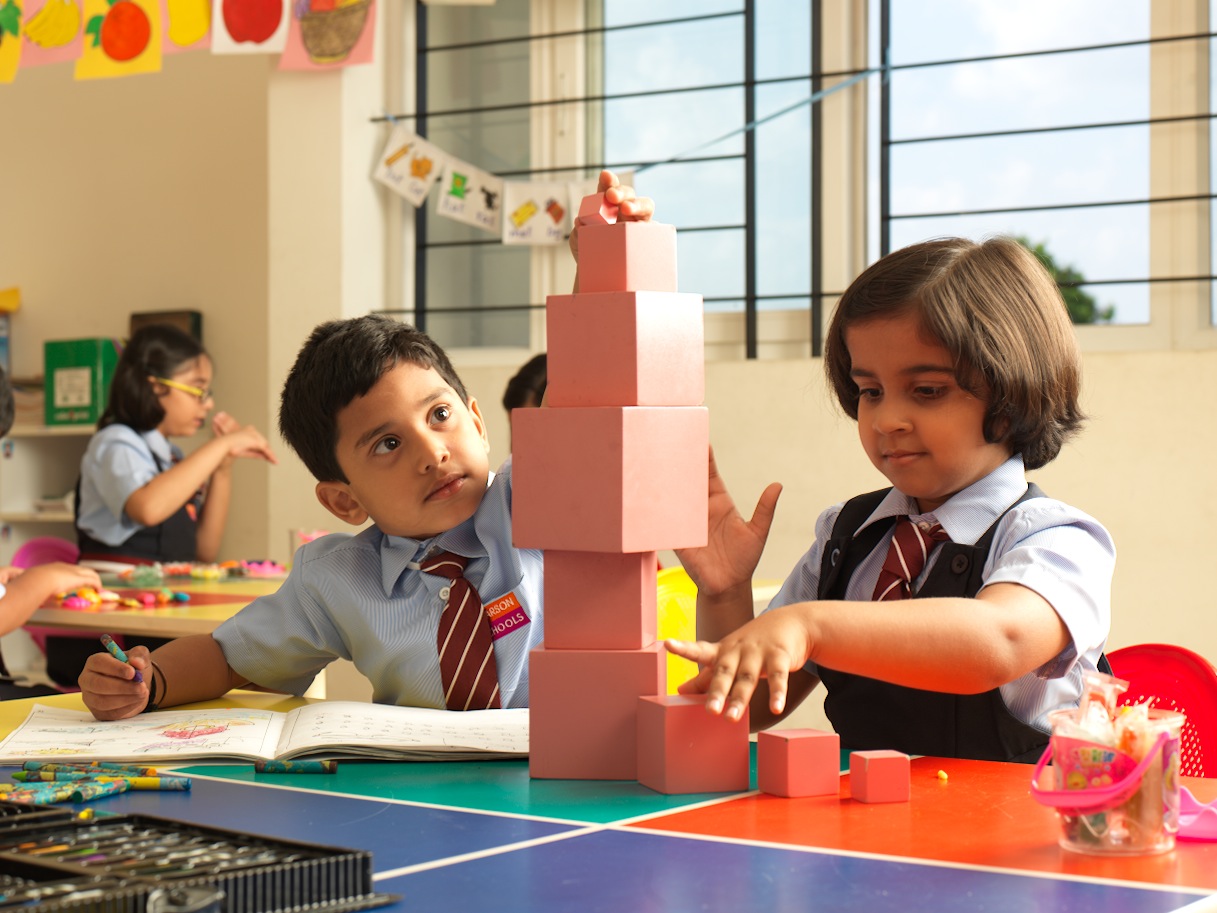
The Preparatory Stage is an important bridge in school education. It connects the play-based learning of the Foundational Stage with the structured learning of the Middle Stage. NEP 2020 and NCF-SE place strong emphasis on this stage. Children learn through stories, discussions, projects, field visits, concrete materials, art, games, and local experiences. PARAKH’s Holistic Progress Card gives practical form to competency-based assessment. It moves assessment beyond marks and written tests. It recognizes the child as a thinker, reader, speaker, creator, collaborator, problem-solver and sensitive member of society. The HPC documents growth through teacher observation, self-assessment, peer assessment, parent observation, projects, portfolios, classroom activities and other learning evidence Rashtriya Sarvekshan provides system-level evidence on competency development in Grades 3, 6, and 9. SQAAF helps schools review their quality across Administration, Curriculum, Assessment, Infrastructure and Inclusiveness. Together, these initiatives mark a major shift in assessment. They move education from assessment of learning to assessment for learning and assessment as learning. They encourage schools to recognize the whole child. They also make assessment more inclusive, reflective, and growth-oriented. Most importantly, they help every learner participate, progress and flourish.

Assessment at the Foundational Stage captures not just what children know, but who they are becoming.
Parakh NCERT
- By Indrani Bhaduri
Assessment at the Foundational Stage has undergone a significant conceptual shift in India. It is no longer viewed as a mechanism for testing recall or assigning marks. Instead, it is understood as a continuous process that supports learning, development and evidence-based decision-making. In alignment with NEP 2020, NCF-FS, PARAKH Taxonomy, and the Holistic Progress Card, foundational assessment emphasises competency-based and holistic development. It focuses on children’s growth across physical, socio-emotional, cognitive, linguistic, aesthetic, and learning habit domains. The PARAKH Taxonomy further strengthens this approach through the dimensions of Awareness, Sensitivity, and Creativity. The Holistic Progress Card documents children’s progress through observations, portfolios, classroom participation, artefacts, self-reflection, and parent inputs. Local resources, play-based learning, storytelling, art, movement, and community knowledge make assessment more contextual and inclusive. Large-scale assessments such as FLS and PARAKH Kaushal Sarvekshan complement classroom evidence by providing system-level insights. Together, these reforms reposition assessment as an evidence-based, child-centred, and improvement-oriented process.
PARAKH ITMS: A Digital Ecosystem for Competency-Based and Multidisciplinary Assessment
Parakh NCERT
- By Indrani Bhaduri
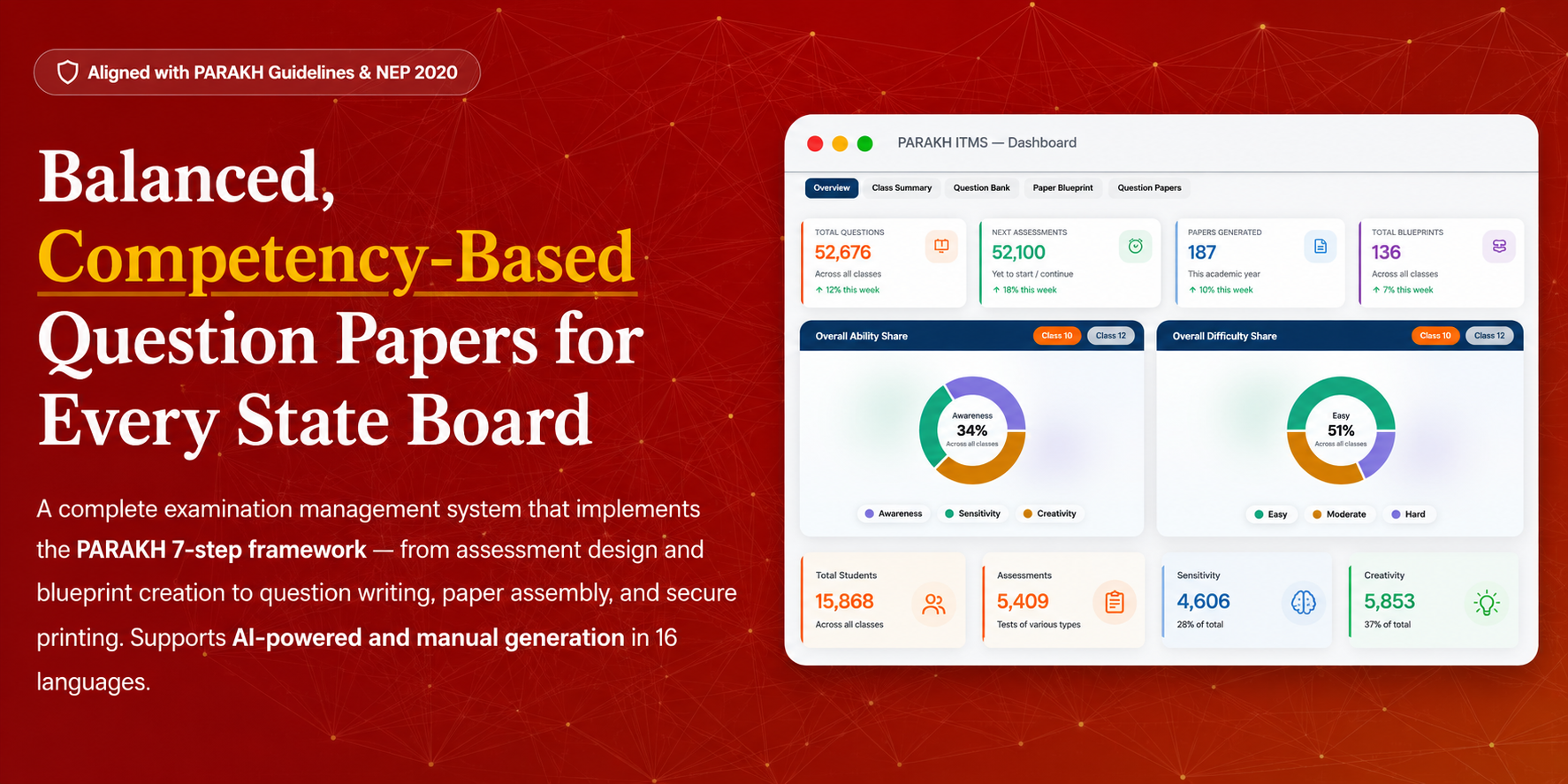
PARAKH Integrated Test Management System (ITMS) is a comprehensive digital ecosystem for competency-based assessment. It supports the vision of the National Education Policy (NEP) 2020 by promoting competency-based, multidisciplinary and transparent assessment practices. The platform digitises the entire assessment cycle. It supports assessment design, blueprint development, question authoring, paper generation, secure printing, administration, and monitoring. It enables the creation of competency-based questions aligned with learning outcomes and the PARAKH Taxonomy domains of Awareness, Sensitivity, and Creativity. PARAKH ITMS provides multilingual support and role-based workflows. It also offers automated blueprinting and flexible paper assembly. These features improve efficiency, consistency, transparency, and quality across assessment processes. The platform supports important assessment reforms such as Two-Level Assessment and multidisciplinary assessments. By digitising assessment operations and strengthening evidence-based decision-making, PARAKH ITMS helps create reliable, inclusive and future-ready assessment systems that support the holistic development of learners.
Dashboard Links
Contact Info
Sri Aurobindo Marg, New Delhi-110016, India