Government of India
 More
More

Our Blogs

More Than a Report Card: The Idea Behind Holistic Progress Cards
-
2026-04-20 12:00:00
-
Parakh NCERT
- By Indrani Bhaduri
In most classrooms, assessment has long been reduced to marks, ranks, and report cards that reveal very little about the child behind the numbers. A student who scores well is often labeled “good,” while another who struggles in written tests is quickly judged otherwise. Such a narrow understanding of achievement has shaped not only how students learn, but also how teachers teach. It is within this context that the idea of the Holistic Progress Card (HPC), developed by PARAKH, becomes significant.
The Holistic Progress Card is not merely a redesigned report card. It represents a fundamental shift in how we understand learning and assessment. Rather than focusing only on academic scores, the HPC offers a comprehensive view of a child’s development across cognitive, socio-emotional, physical, and creative domains. It also attends to ethical, aesthetic, and cultural dimensions of learning. This means that a child’s ability to think critically, express ideas, manage emotions, and collaborate to solve real-life problems is valued alongside their performance in written examinations.
A defining feature of the HPC is its alignment with competency-based education. Instead of asking what a child can remember, it focuses on what a child can do with what they have learned. Assessment, therefore, moves beyond recall to include application, analysis, and reflection. Guided by PARAKH’s taxonomy, it includes assessment across cognitive domains of awareness, sensitivity and creativity. This approach resonates strongly with the vision of National Education Policy 2020, which emphasizes meaningful learning over rote memorization.
The introduction of the HPC has important implications for classroom practices. When assessment changes, pedagogy has to inevitably follow. If teachers are expected to assess knowledge, understanding of the construct, understanding of the process, conflict resolution abilities, open mindedness, collaboration, ability to generate new ideas, flexibility, fluency, exploration, and the ability to combine new ideas and concepts, classrooms must create opportunities for these to emerge. In this way, the Holistic Progress Card does not just measure learning, it helps create a vision that teachers must work to achieve through their regular pedagogical practices.
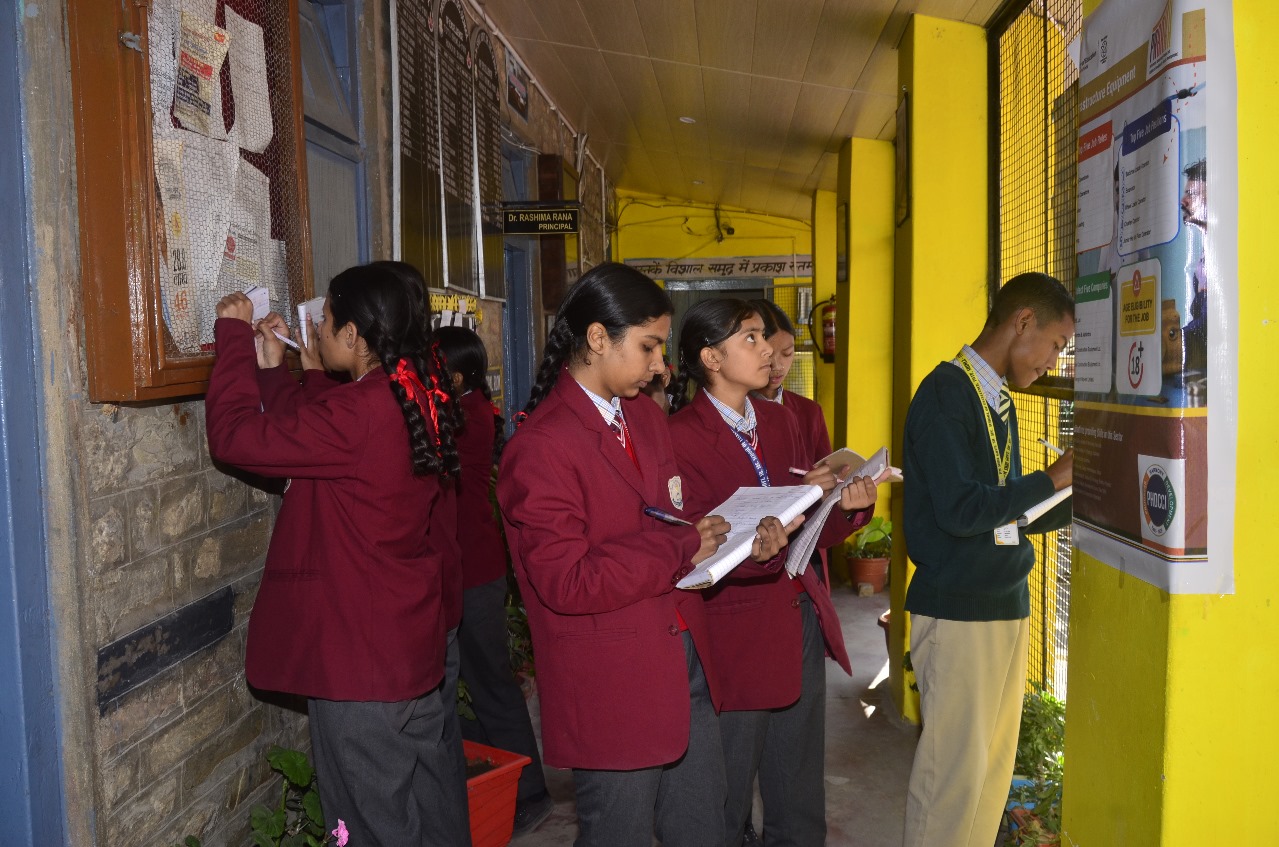
Another important aspect of the HPC is that it is multi-source and participatory. It brings together inputs from teachers, learners, peers, and parents, transforming assessment into a dialogic process rather than a one-way judgment. Peer and self-assessment become central within this process, enabling learners to reflect on their own progress, recognize the contributions of others, and take greater ownership of their learning journeys. In such a system, assessment becomes something learners engage with, not something imposed upon them. It gradually shifts from being a source of anxiety to a tool for reflection and growth.
Equally significant is the narrative nature of the Holistic Progress Card. Instead of reducing learning to numbers, it foregrounds descriptive, evidence-based feedback. Teachers document how a child learns, interacts, and progresses over time, creating a richer and more continuous picture of development. This also strengthens the relationship between school and home, as both begin to share a deeper and more nuanced understanding of the learner’s journey. Learning experiences become more interactive, discussions more meaningful, and tasks more connected to real-life contexts.
At the same time, the transition to such a system is not without challenges. Teachers require sustained support and capacity building to move from marks-based evaluation to observation-based assessment. Schools need time to internalize the philosophy behind the HPC, rather than treating it as just another format to complete. Perhaps most importantly, there needs to be a shift in mindset among all stakeholders, including parents, who often equate success with marks.
Despite these challenges, the Holistic Progress Card offers a powerful opportunity to humanize assessment. It acknowledges that every child learns differently and grows in unique ways. By moving away from comparison and towards understanding, it creates space for each learner to be seen, heard, and supported.
In short, the HPC is not just a reporting tool. It is a statement about what we value in education. It reminds us that learning is not only about how much a child knows, but about who the child is becoming.
Explore More
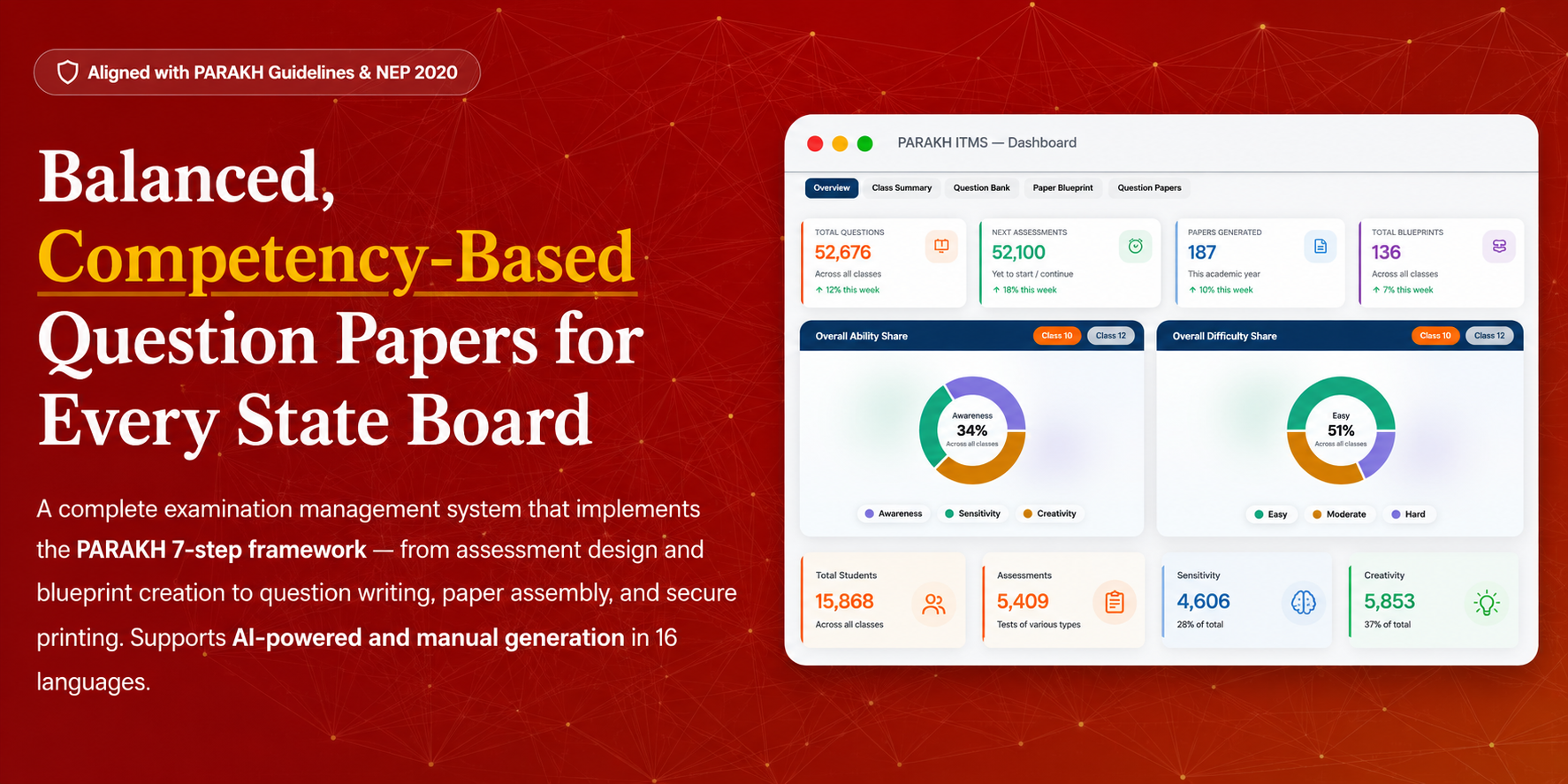
PARAKH ITMS: A Digital Ecosystem for Competency-Based and Multidisciplinary Assessment
Parakh NCERT
- By Indrani Bhaduri
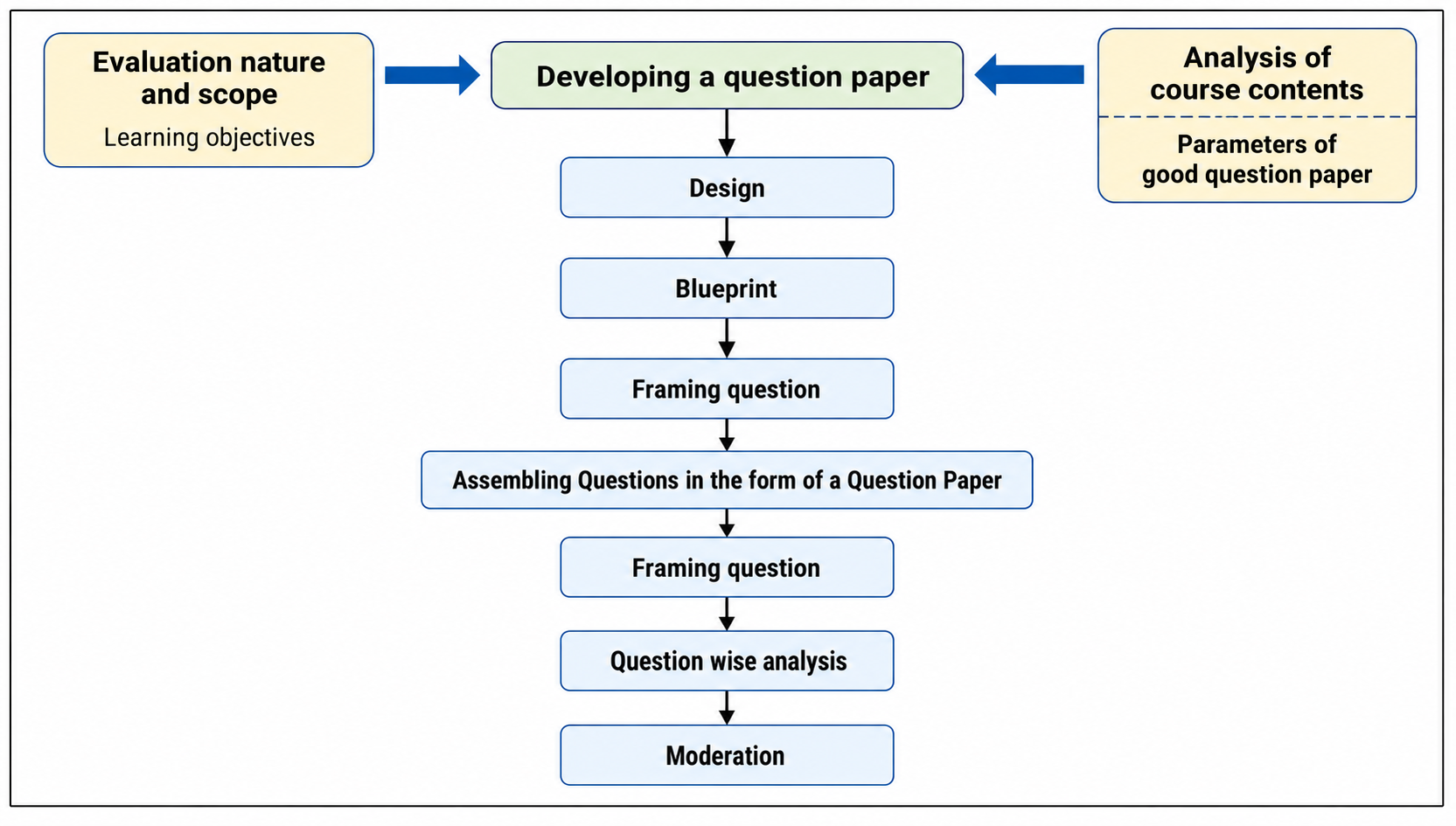
Rethinking Assessment: How PARAKH is Digitising Every Step
Parakh NCERT
- By Indrani Bhaduri
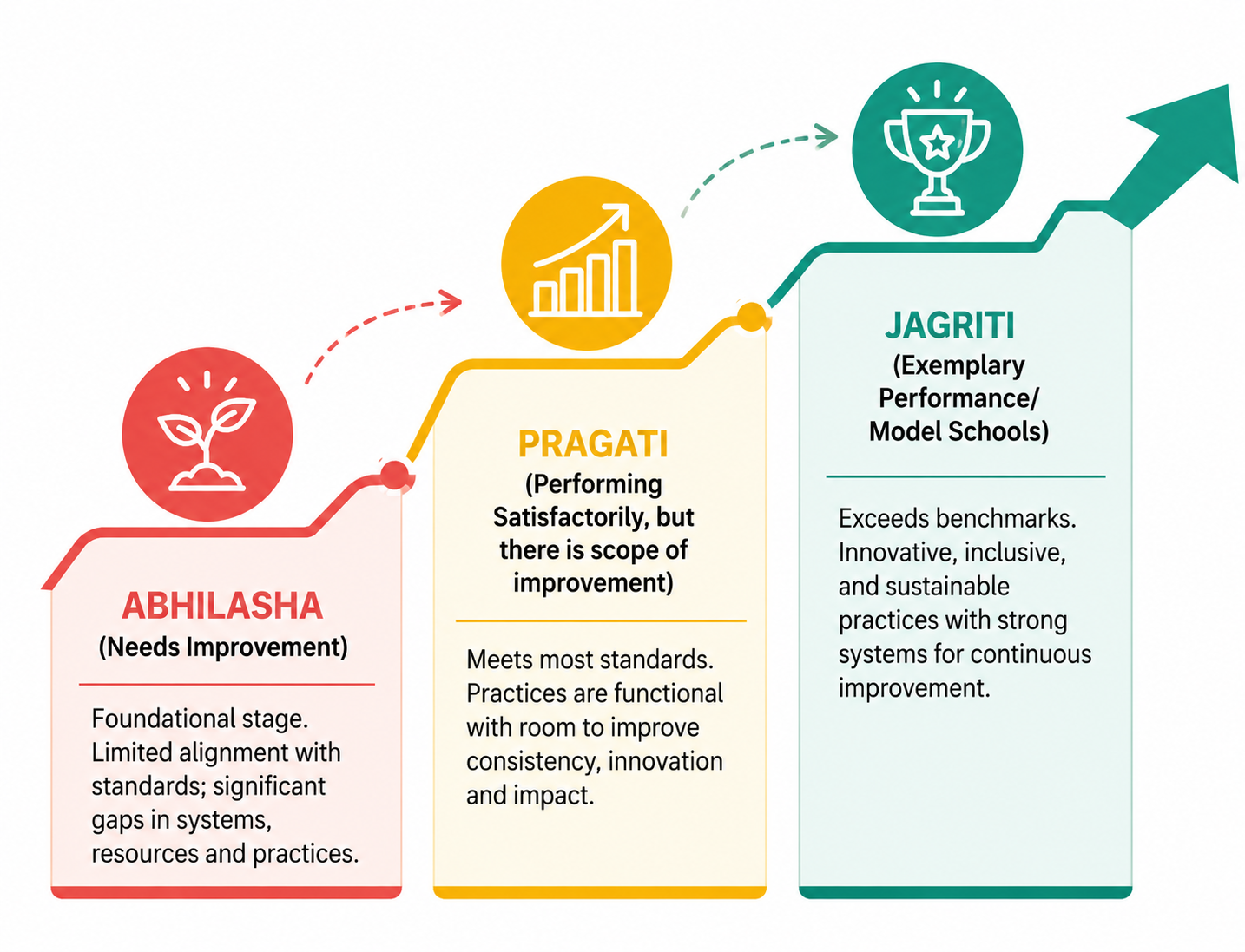
Abhilasha, Pragati and Jagriti :A Roadmap to Educational Excellence
Parakh NCERT
- By Indrani Bhaduri
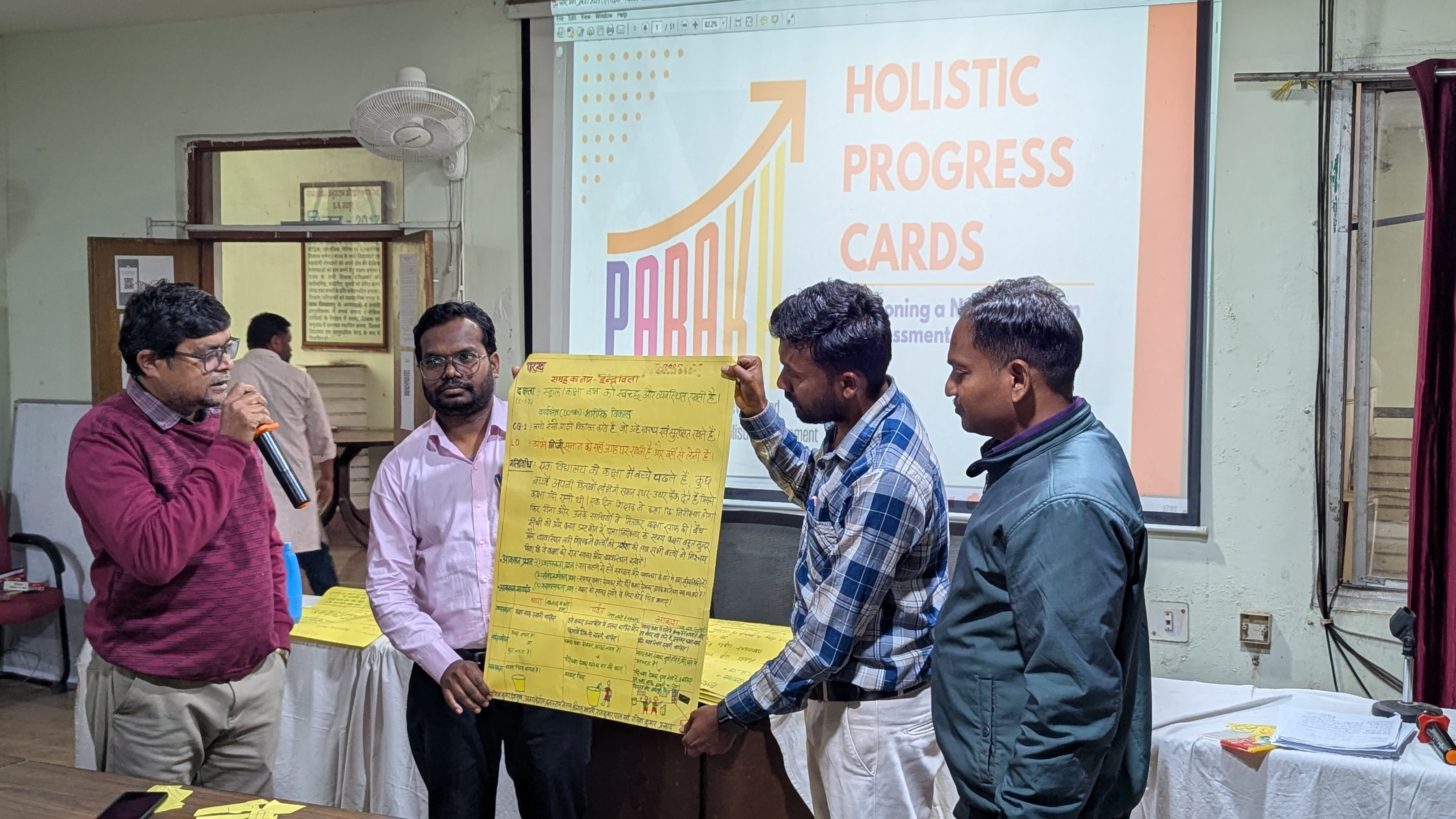
Holistic Progress Cards and Identity Development: From Knowing to Becoming
Parakh NCERT
- By Indrani Bhaduri