Government of India
 More
More

Our Blogs

Holistic Progress Cards invite 6th graders to reflect on their ambitions. Is it too early? Not necessarily.
-
2026-03-20 12:00:00
-
Parakh NCERT
- By Indrani Bhaduri
Very often, students study for the sake of studying. They move from one chapter to another, from one class to the next, without clearly understanding why they are learning. At a deeper level, this reflects a system that has long relied on rote learning. In such environments, students rarely develop the habit of questioning the purpose of their learning. As a result, learning becomes something that happens to them rather than something they actively shape, and passing the next examination becomes the immediate goal.
This orientation is also reflected in everyday conversations at home, which often revolve around a simple question: “Did you pass the exam?” The larger purpose of education remains distant and insufficiently explored.
In this context, asking students to articulate their ambitions through the Holistic Progress Card represents a meaningful shift. It encourages them to think about learning in terms of its purpose in their lives. This approach is grounded in the understanding that literacy is not merely the ability to read and write, but the ability to use knowledge to act upon and engage meaningfully with the world.
When students reflect on their aspirations, learning begins to acquire direction. Language is no longer confined to grammar rules, but becomes a medium for expressing ideas, telling stories, and even advocating for change. Social science gains relevance when students begin to consider real issues, such as water and cleanliness in their communities. Scientific concepts, too, become more meaningful when students use them to address everyday concerns, such as understanding why food spoils, how to keep drinking water safe, or how to reduce waste in their surroundings. This enables learning to move beyond the boundaries of the classroom and become more purposeful. It encourages learners to think not only about what they want to become, but also about how they want to contribute to the world around them.
Importantly, such reflection nurtures a sense of agency. Students begin to see themselves as active participants in their own learning rather than passive recipients. They start to recognize their strengths, identify areas where they need support, and take small but meaningful steps towards their goals. Research also indicates that while some students, particularly from more advantaged backgrounds, may develop skills such as managing time, recognizing gaps in learning, and developing a sense of professional identity through exposure, students from disadvantaged backgrounds may not. Schools, therefore, have a critical role in creating such opportunities for all learners.
The process also opens up richer conversations between students, teachers, and parents. Instead of focusing only on grades, the dialogue begins to shift towards questions such as: What interests you? What kinds of problems would you like to solve? What skills do you want to develop? Over time, this supports students in engaging with deeper questions about identity and purpose.
Of course, the intention is not to fix a child’s future too early. A sixth grader’s ambitions will evolve, and that is both natural and desirable. What matters is not the specific ambition articulated, but the habit of reflection that begins to take shape. By encouraging students to imagine possibilities, the Holistic Progress Card helps them connect learning with life.
In doing so, it gradually shifts the culture of schooling. Students move from being passive participants to active thinkers who begin to understand why learning matters. Once this question of purpose enters the classroom, education becomes more meaningful for everyone involved.
Explore More
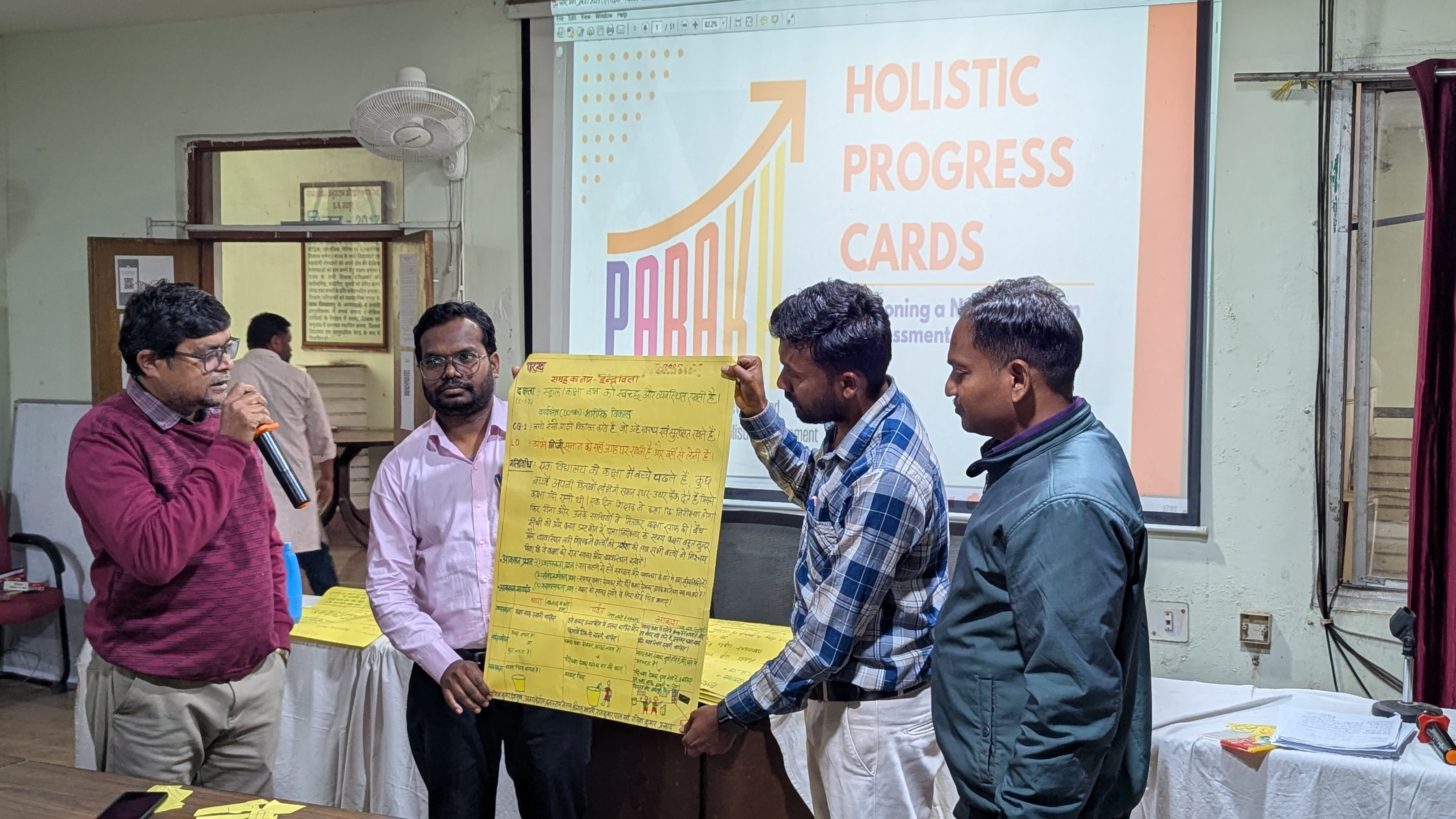
Holistic Progress Cards and Identity Development: From Knowing to Becoming
Parakh NCERT
- By Indrani Bhaduri
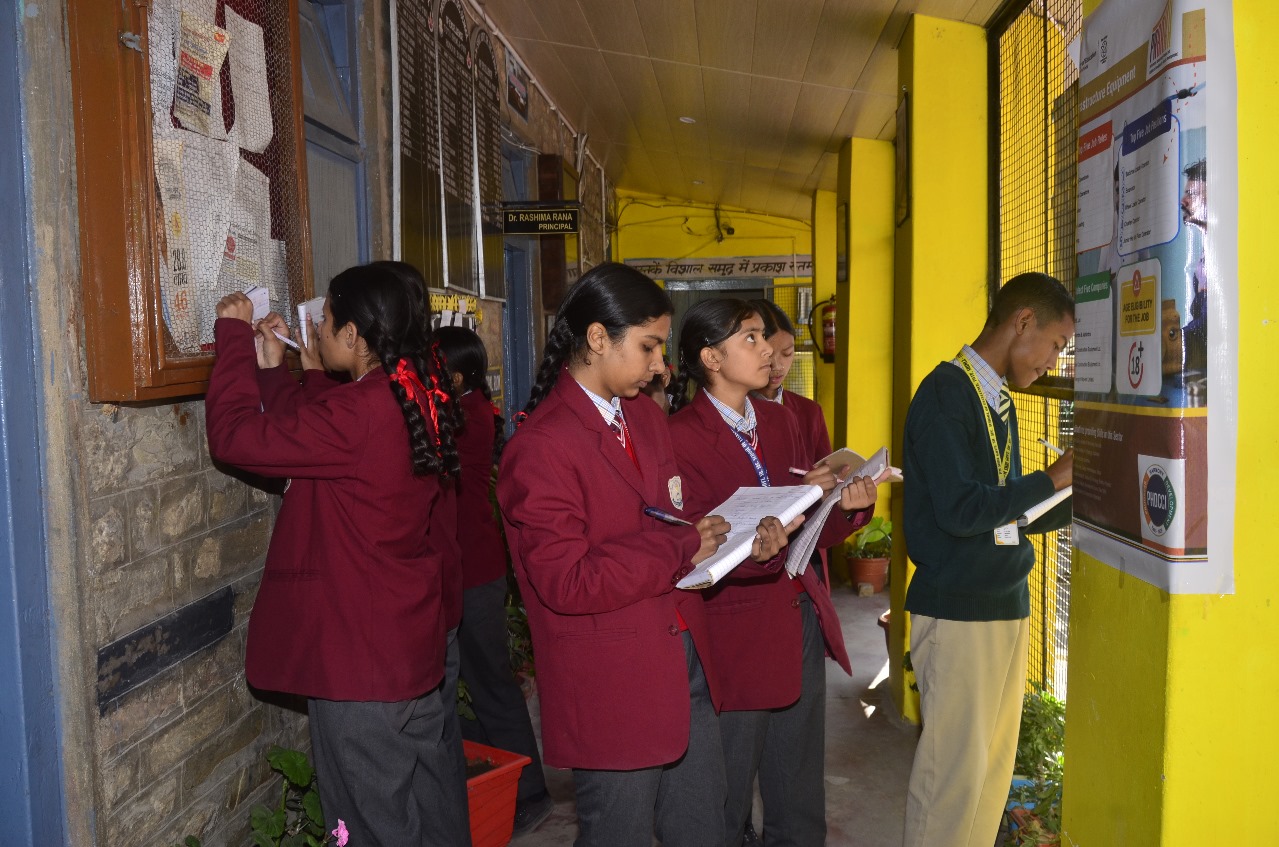
More Than a Report Card: The Idea Behind Holistic Progress Cards
Parakh NCERT
- By Indrani Bhaduri
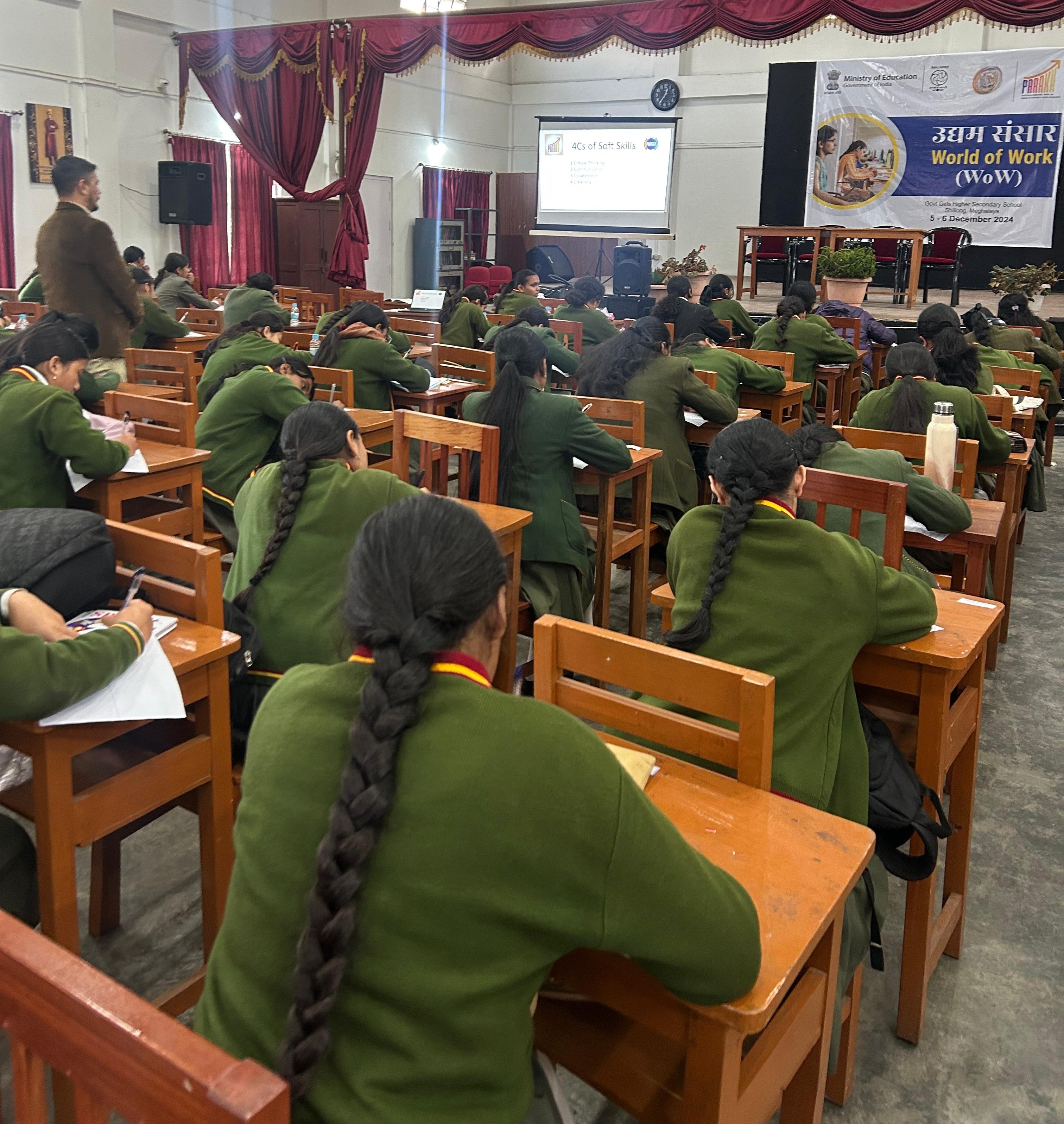
Balanced Question Papers: Why Assessment Design Matters
Parakh NCERT
- By Indrani Bhaduri
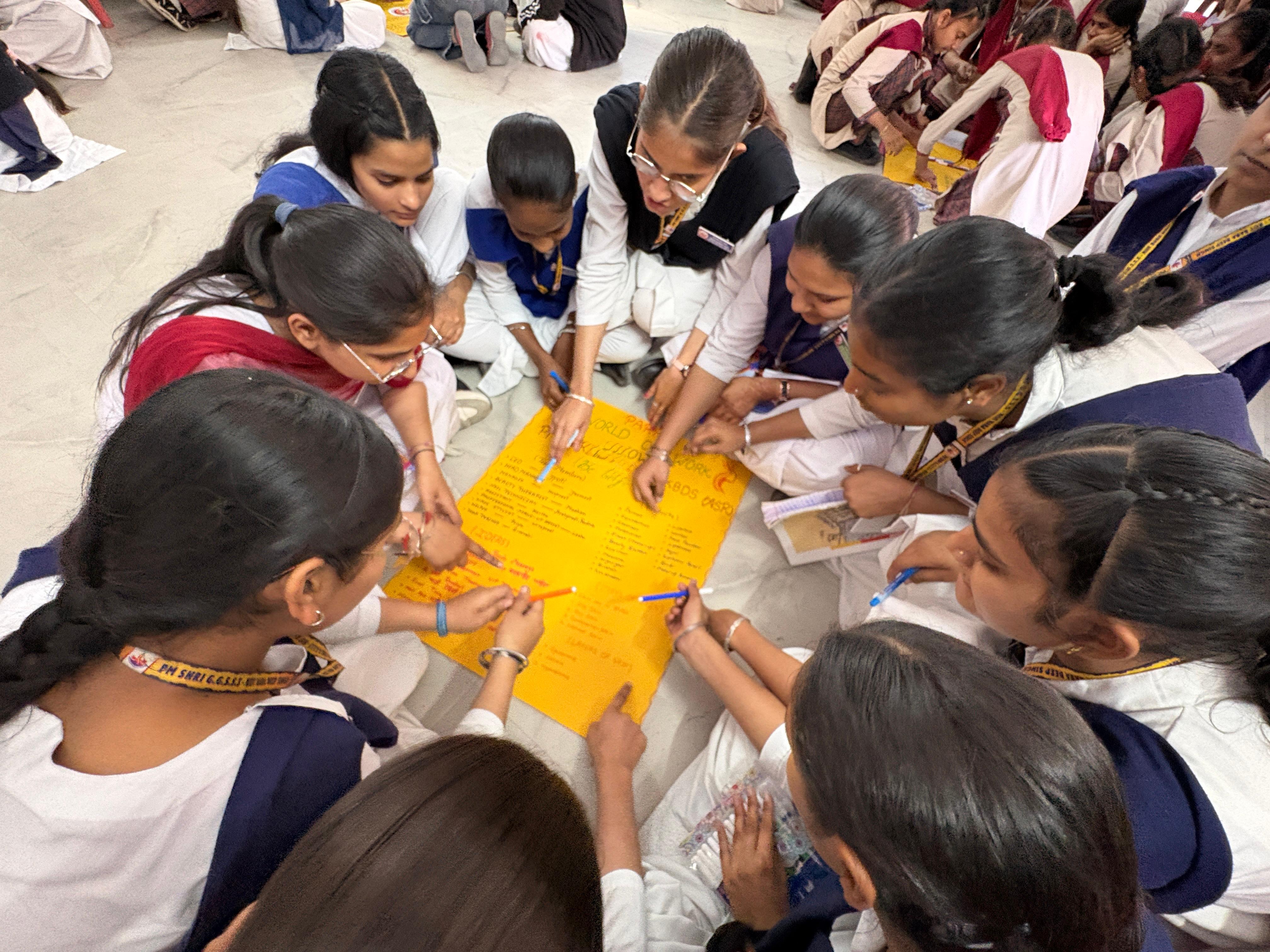
Aligning Assessment with the Goals of Education
Parakh NCERT
- By Indrani Bhaduri