Government of India
 More
More

Our Blogs

PARAKH ITMS: A Digital Ecosystem for Competency-Based and Multidisciplinary Assessment
-
2026-06-11 12:00:00
-
Parakh NCERT
- By Indrani Bhaduri
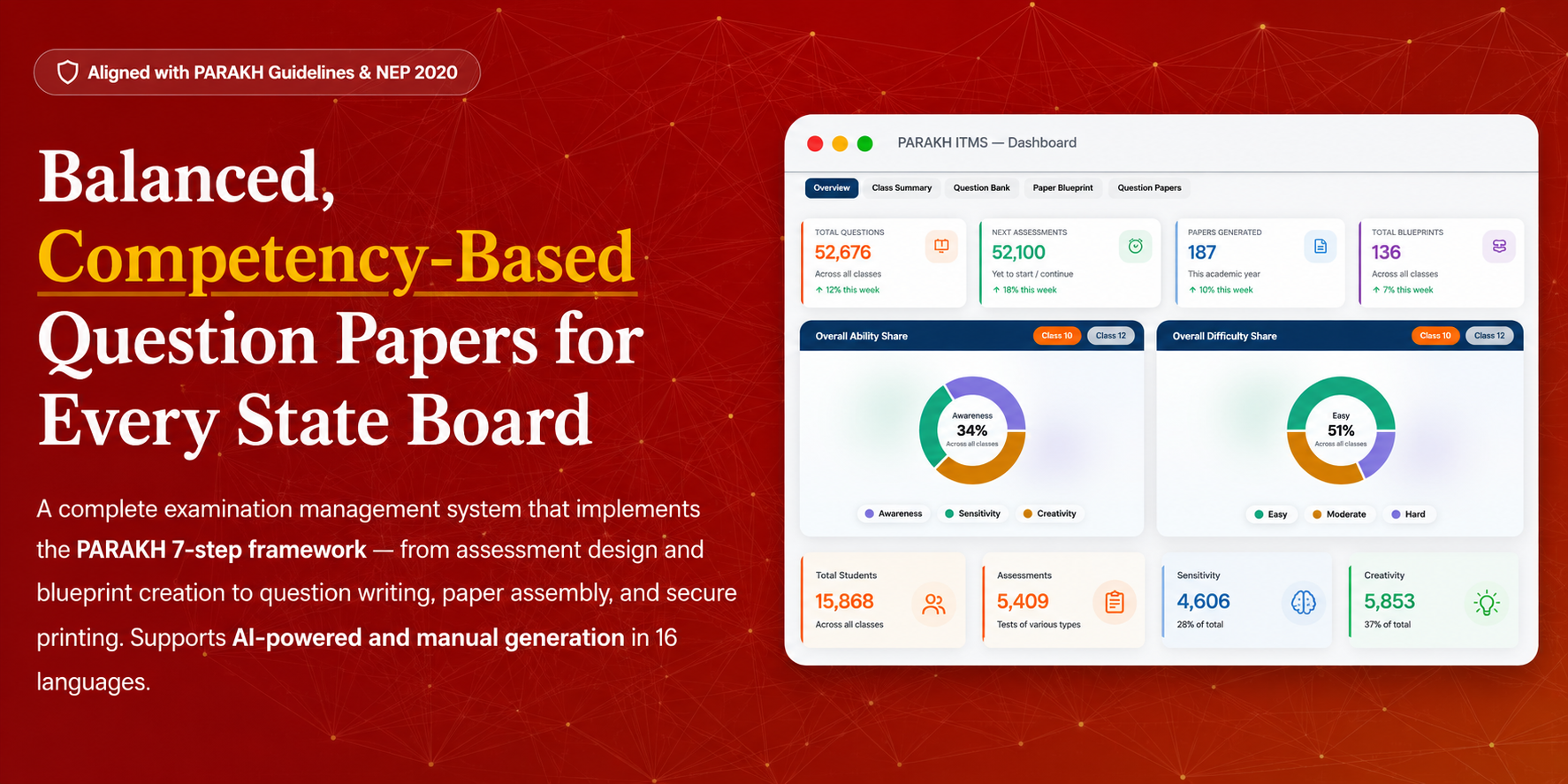
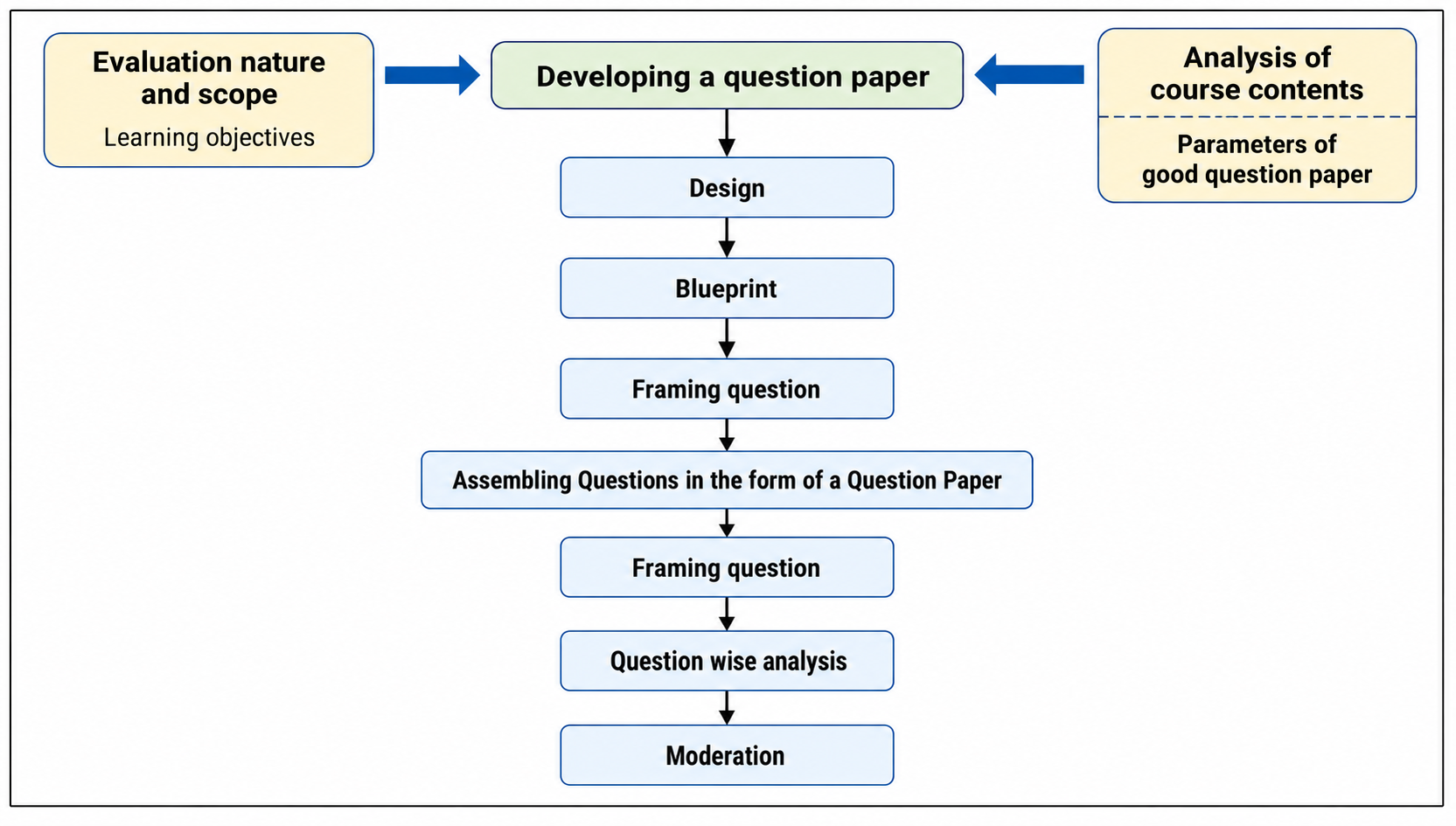
Performance Assessment, Review, and Analysis of Knowledge for Holistic Development (PARAKH ) Integrated Test Management System (ITMS) demonstrates how technology can strengthen assessment processes. It supports competency-based question development, PARAKH taxonomy-aligned blueprint design, question paper generation, secure printing and end-to-end assessment monitoring. The platform improves efficiency, transparency, consistency, and security. It also supports important assessment reforms such as Two-Level Assessment and the Holistic Progress Card. PARAKH ITMS through a comprehensive digital platform streamlines the entire assessment cycle. It supports every stage, from question development to secure printing. It also promotes competency-based assessment practices.
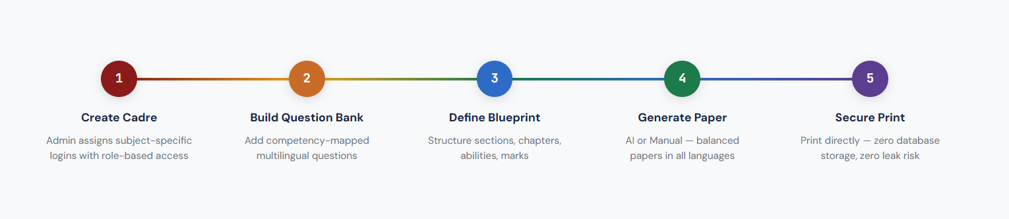
The process begins with the creation of an assessment cadre. Administrators assign subject-specific logins to users. They also provide role-based access to different stakeholders.These stakeholders may include question writers, reviewers, moderators, translators and paper setters. Role-based access ensures that responsibilities are clearly defined. It also strengthens accountability and security throughout the assessment process.
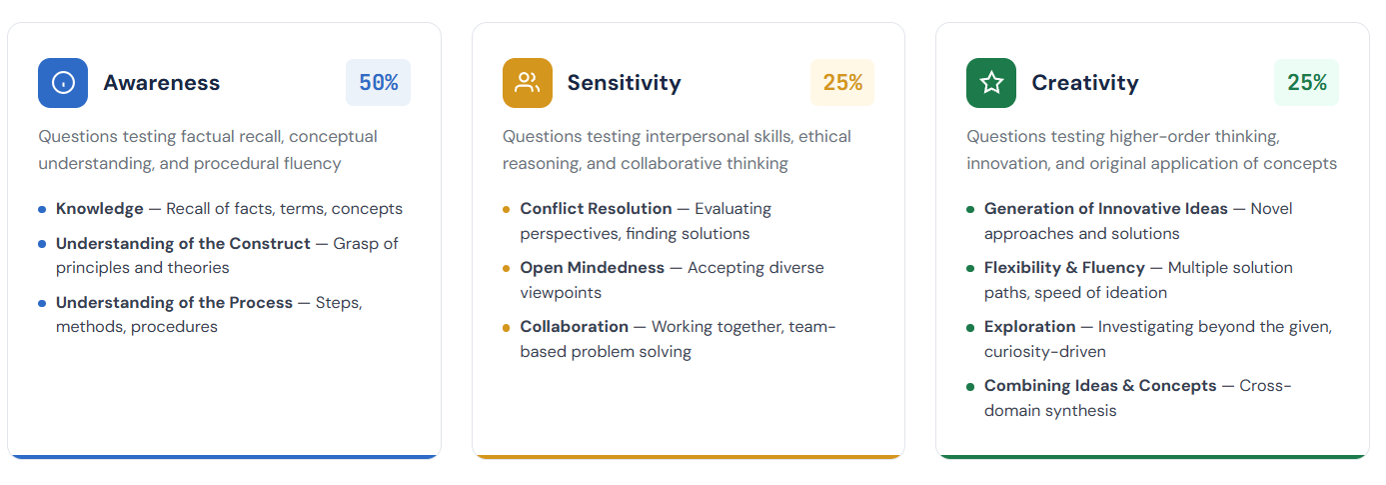
A strong question bank is the foundation of quality assessment. PARAKH ITMS enables the creation of multilingual questions aligned with competencies and learning outcomes. Each question can be mapped to ability categories such as Awareness, Sensitivity, and Creativity. Questions are linked with curricular goals ,competency codes, difficulty levels, estimated answering time and stimulus material (Ministry of Education, 2020, Para. 4.34, p. 17). Users can view live previews while creating questions. This helps maintain consistency across language versions. It also supports inclusive assessment practices.
After developing the question bank, users create an assessment blueprint. The blueprint defines the overall structure of the question paper. It includes section-wise organisation, chapter-wise weightage, marks distribution, ability mapping and language-specific instructions. This ensures that the assessment remains aligned with curriculum objectives. The platform also validates whether enough questions are available in the question bank. This check is completed before paper generation begins. As a result, assessment gaps can be identified and addressed early.
Once the blueprint is finalised, question papers can be generated digitally. Users can choose between automated generation and manual paper setting. For automated paper generation, users can define the desired distribution of questions across the competencies of Awareness, Sensitivity, and Creativity. It also ensures proper chapter coverage and competency alignment. The platform continuously validates selections against the blueprint. This helps maintain balance and consistency. The system also supports combined subject examinations. In alignment with the multidisciplinary and holistic learning vision of the National Education Policy (NEP) 2020, the system supports the creation of integrated assessments. Additionally, PARAKH ITMS supports a Two-Level Assessment model comprising Basic & Proficient and Advanced levels (Ministry of Education, 2020, Para. 4.38, p. 18) .
The Basic & Proficient level is mandatory for all students. It focuses on conceptual understanding, real-life application, and procedural fluency. Every learner is expected to achieve these foundational competencies. The Advanced level is optional. It is designed for learners who wish to engage with more challenging content. Questions at this level assess multi-concept integration, application in unfamiliar situations, and strategic reasoning.
Under this model, all students attempt a standard 100-mark paper comprising Easy 25%,Medium 50% and Difficult 25%. Learners who choose the higher level can also attempt an optional 50-mark Advanced paper. Both levels are based on the same curriculum framework. The model is also linked with the Holistic Progress Card (HPC) (Ministry of Education, 2020, Para. 4.35, p. 18).
The final stage focuses on secure printing. Once approved, papers can be printed directly through a secure workflow. The system minimizes long-term storage of question papers. This reduces the risk of unauthorized access and paper leakage. It also strengthens confidentiality and examination security.
Explore More
Rethinking Assessment: How PARAKH is Digitising Every Step
Parakh NCERT
- By Indrani Bhaduri
Abhilasha, Pragati and Jagriti :A Roadmap to Educational Excellence
Parakh NCERT
- By Indrani Bhaduri
Holistic Progress Cards and Identity Development: From Knowing to Becoming
Parakh NCERT
- By Indrani Bhaduri
More Than a Report Card: The Idea Behind Holistic Progress Cards
Parakh NCERT
- By Indrani Bhaduri